
Leading Teams

Eight Themes That Count with Strategic Teams

Introduction

The effective leadership of strategic teams is one of the most critical building blocks of the organization of the future. Strategic teams generate and deliver priority work. They serve as learning and people development structures. They connect the knowledge and insight management systems that shape both near-term and long-term performance. Strategic teams serve as agents of change, solvers of problems, and builders of networks that power performance and progress. If we understand leadership as the influence of attention, what kind of attention do we invest in the work of leading teams in today’s complex and dynamic environments? We mean serious attention to the big ideas that matter most. Further, there are many different kinds of teams.
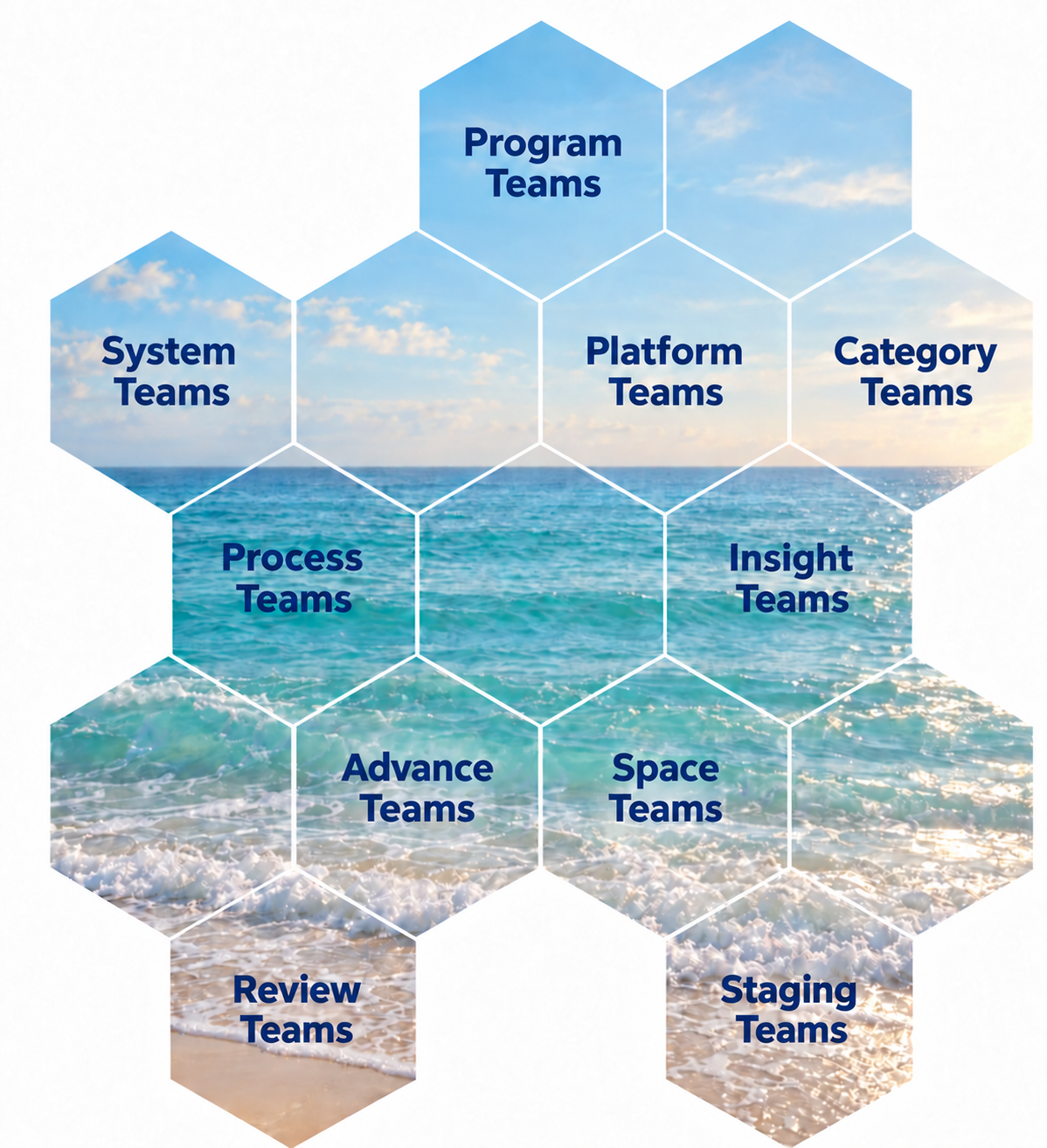
 

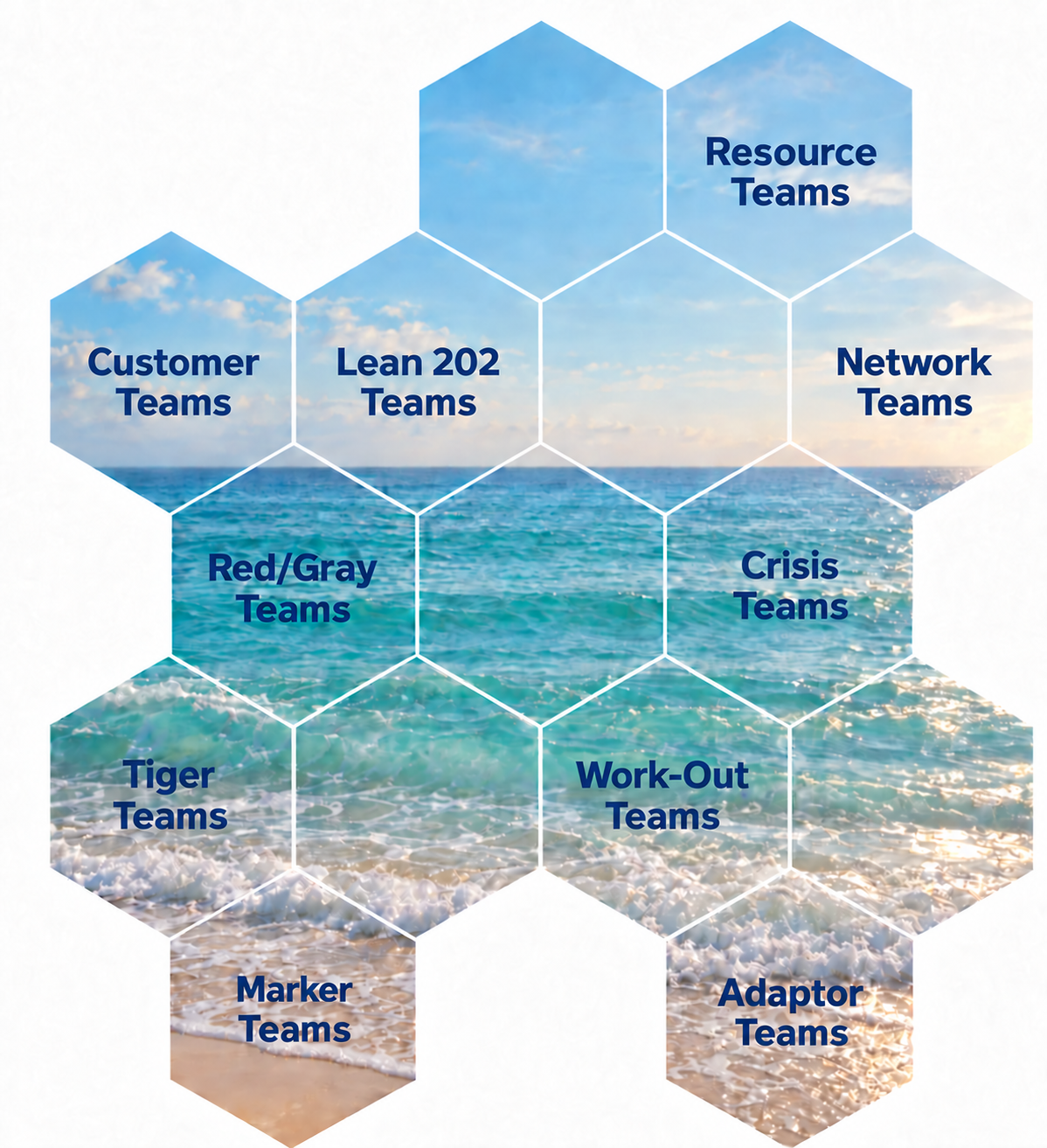
Twenty Kinds of Teams

In our research for the book, Strategic Teams and Development, we framed twenty different kinds of teams that contribute to the success of organizations large and small. Each of these address some defined priority, some practical objective, and some focus on the work to be done. We have an ever-evolving roster of strategic teams that are active in corporate, institutional, and nonprofit settings. Each of these presents with a unique charter and focus. That brings into question the kind of leadership we need for Strategic Teams.
Leading These Strategic Teams

Leading Strategic Teams is a three-part exercise in direction – focus and choices, integration – priorities matched to resources, and execution – action and impact. Getting the right people engaged, with the right work to be done is essential. Then the journey takes form. Then effective teams are assembled, developed, and deployed.

Back to the idea that leadership is the influence of attention. Attention to what? Leading strategic teams requires serious, consistent, and dynamic attention to eight foundational themes; consider these as part of a dynamic development process:

  1. Purpose and Mission … Charters
    Getting the Big Ideas Right; Executing Like it Really Matters
  2. Knowing the People That Make Up the Team … People First
    Their Backgrounds, Needs, Interests, Personal Engagement
  3. Challenges, Context, and Conditions … Readiness
    The Situation and Facts That Shape the Priorities of the Team
  4. Individual Roles, Cohesion … Leverage
    The Right People, Working in the Right Roles, Working Together
  5. Learning and Development … Advancing
    Strategic Teams as Experiential Learning and Development Labs
  6. Building Crucial Associates … Trust, Competence
    Relational Intelligence, Collective Judgement, Adaptive Capacity
  7. Managing Friction and Tension … Antifragile
    Making Positive Moves and Decisions Easier to Advance and Land
  8. Progress and Course Corrections … Accountability
    Understanding the Field of Play and the Rules of the Game
These eight themes for strategic teams are catalysts for building capable organizations with effective leadership at every level. Consider leadership at the personal level, the leadership of oneself and how team experience teaches capability and responsibility. Consider leadership at the group level, the leadership of relationships, interactions, and team functionality. Consider leadership at the enterprise level, the leadership of cross-functional efforts, integration, and collaboration. Consider leadership at the ecosystem level, the leadership of outside stakeholders, authorities, and partnerships. The organization of the future will depend on disciplined and flourishing leadership at every level … the kind that is built with and though strategic teams.

Making the Big Ideas Happen

Across every industry and economic sector, different kinds of strategic teams are working to solve problems, manage risks, generate options, drive change, forge networks, and move obstacles. The people who lead these teams are working in a people-first lab of human effort and endeavor. This becomes the calling of leadership at every level. This is where the principles of teamwork come together in the development of Strategic Teams as powerful structures in the organization of the future … uniquely capable.

Challenges of Today – Options for Tomorrow

Opening the Conversations that Matter